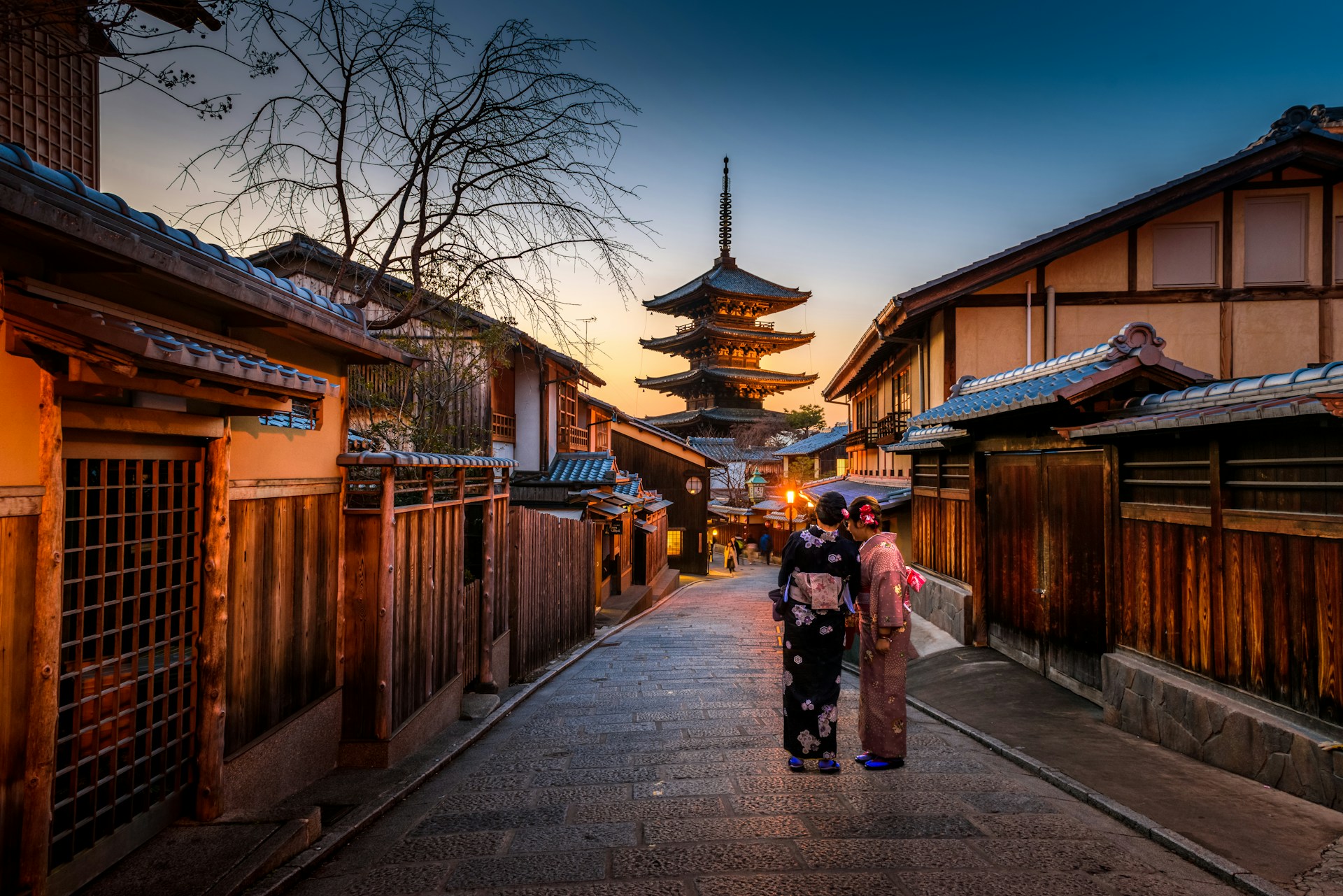

Japan combines dense urban energy with serene tradition, efficient infrastructure, and subtle cultural norms that reward preparation. First visits benefit from understanding transit, etiquette, and seasonal timing before arrival.
Transportation runs like clockwork. Purchase a Japan Rail Pass before departure if planning multiple long-distance trips—the pass covers most Shinkansen lines and many local trains. In cities, IC cards (Suica or Pasmo) simplify subway and bus fares with tap-and-go convenience. Download apps like Hyperdia or Google Maps for exact timetables and platform information. Punctuality is standard; trains depart on the second, so arrive early.
Accommodation ranges from capsule hotels and ryokans to business chains. Book in advance for peak seasons—cherry blossom spring or autumn foliage. Ryokans offer tatami rooms, futons, and kaiseki meals that introduce traditional hospitality. Hostels and guesthouses in cities provide affordable bases with shared kitchens. Check-in often starts at 3 or 4 pm, but many allow luggage storage earlier.
Daily habits smooth interactions. Remove shoes when entering homes, ryokans, or certain restaurants. Carry cash—smaller shops and rural areas may not accept cards. Bow slightly when thanking someone, and avoid eating while walking in public. Convenience stores (konbini) stock quality meals, toiletries, and even hot food—reliable for late arrivals or remote areas. Respect quiet on trains; conversations stay low or silent.
Seasonal highlights guide timing. Spring sakura viewing fills parks with picnics, while summer festivals feature fireworks and street food. Autumn koyo colors mountains vividly, and winter brings illuminations plus hot springs. Focus on one or two regions—Kanto (Tokyo base) or Kansai (Kyoto/Osaka)—to avoid rushing. Slow pacing reveals details that hurried itineraries miss.