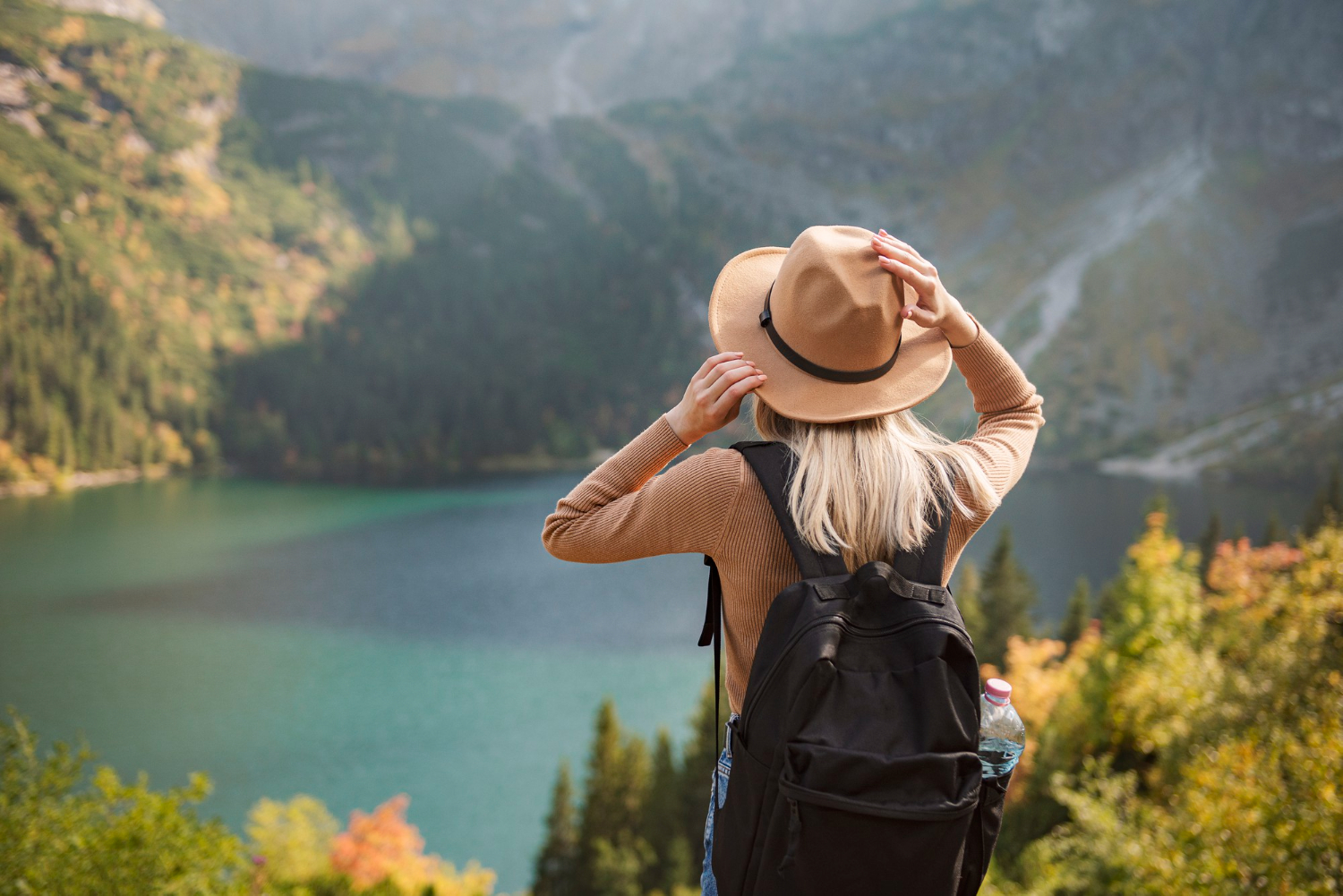

Solo travel strips away the buffer of companions, forcing direct engagement with places, people, and oneself. The absence of group consensus leads to decisions based purely on personal curiosity or instinct, often resulting in unexpected discoveries and clearer self-understanding.
Daily routines become entirely self-directed. Choose when to wake, what path to follow, or how long to linger at a viewpoint without negotiation. This freedom reveals preferences that might stay hidden in company—preferring quiet mornings with coffee over late-night crowds, or spending hours in a single museum gallery. Choices accumulate into a personal rhythm that feels authentic rather than compromised.
Interactions shift in quality. Without a travel partner as default companion, conversations with locals, fellow travelers, or service staff happen more naturally and often more deeply. A shopkeeper’s recommendation, a stranger’s shared bench chat, or joining a pickup game carries weight because it stems from individual openness rather than group dynamics. These moments build confidence in navigating social situations independently.
Challenges met alone sharpen problem-solving and resilience. A missed bus, language barrier, or sudden rain becomes a puzzle to solve rather than something shared or delegated. Overcoming small obstacles without backup reinforces capability and reduces future anxiety in unfamiliar settings. Returning home, the experience leaves a lasting shift—greater ease in solitude, trust in personal judgment, and appreciation for both independence and occasional company.